


Energy Security on Borrowed Time: India’s Inadequate Strategic Petroleum Reserves in an Era of Energy Shocks


By Rohan Ranjan Raut Ray
The ongoing War in the Middle East has once again reminded us of a truth in this interconnected World: A Conflict in one region sends shockwaves across the Global System. This crisis in the Gulf is no d
ifferent, as Iran, through its control over the Strait of Hormuz, has held the energy security of the entire world hostage. The Strait of Hormuz is one of the most critical chokepoints for global energy, as about 20-25% of the world’s daily petroleum needs and around 20% of LNG pass through it. This makes the region strategically vulnerable, and Iran has used this to its advantage.
India, being a major importer of crude oil and LNG from the region, is also exposed to these disruptions. India is the third largest consumer of crude oil in the world, and imports more than 88.5% of its domestic consumption, of which nearly 55% comes from the Gulf countries: 16.6% from Iraq, 17.5% from Saudi Arabia, 10.4% from the UAE, 6.1% from Kuwait, and 3.6% from Qatar. Most of these oil imports pass through the Strait of Hormuz, and as Iran has closed this Strait, oil supplies from these countries are at risk. In this scenario, to sustain its large oil-consuming economy, India has to employ multiple strategies: looking for alternative supply channels, increasing domestic capacity and most importantly, using its Strategic Petroleum Reserves (SPR).
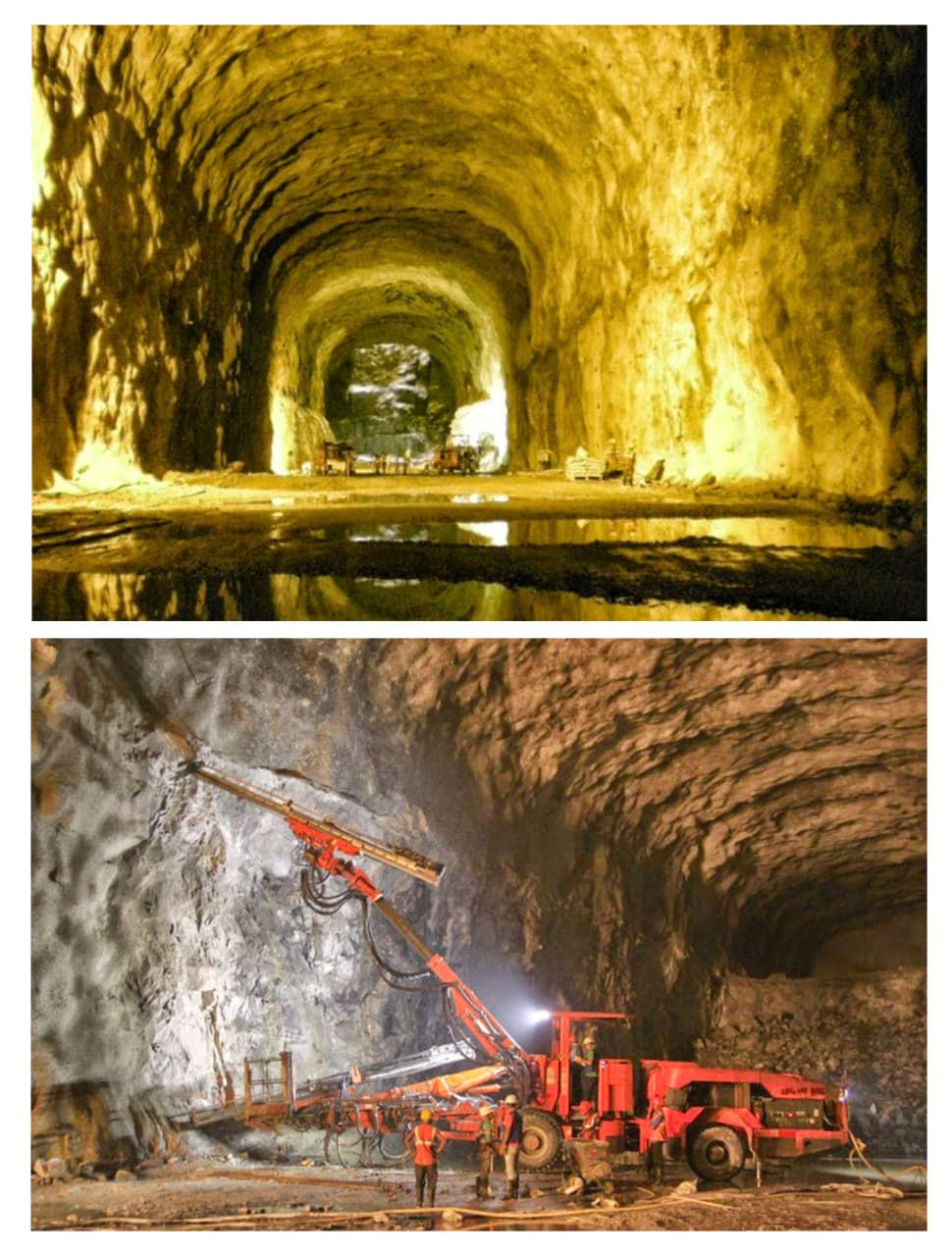
In India, the first Strategic Petroleum Reserve facilities were established by the ISPRL at Visakapatnam, Mangaluru, and Padur, with a capacity of 39 million barrels. In Phase II, the government has approved the establishment of two additional Commercial-cum strategic facilities in Chandikol and Padur, adding an additional capacity of 47.8 million barrels. When Phase II gets online, our total strategic reserves will be about 87 million barrels.
As of April 2026, India’s total Crude oil reserves are about 250 million barrels, of which 211 million barrels are commercial reserves, and only 39 million barrels constitute the strategic ones. As our daily oil consumption is about 5.43 million barrels/day (MB/D), that means our current strategic reserves will only last for 9 to 10 days, and our total reserves may last for about 50 to 74 days. For an economy of India’s scale, its strategic reserves remain inadequate, making the economy very vulnerable during crises.
India is also behind in building its Strategic Petroleum Reserves compared to its peers like the USA, China, and Japan. The United States has a total petroleum reserve of around 854 million barrels, of which 415 million barrels are in its strategic reserves. However, the United States, as a net oil exporter, does not face a similar risk profile, as it may not even face an oil shortage unless its domestic capacities are hit. China maintains total reserves of about 1.2-1.3 billion barrels, which can last for around 3 to 4 months, and has strategic reserves of about 400-500 million barrels. Japan’s total petroleum reserves of about 470 million barrels can last for around 254 days, and its strategic reserves of 260 million barrels are the third largest after the USA and China. Japan’s petroleum reserves are considered the “Gold Standard”, as its SPR alone can last for about 146 days.
Notably, Japan’s daily crude oil consumption (3.2 MB/D) is about 60% of India’s, yet Japan’s Strategic Petroleum Reserves capacity is about 6.7 times India’s current strategic capacity. Given India’s dependence on imports, the projected capacity of 87 million barrels will be insufficient. In this increasingly uncertain energy environment, India will require a far bigger strategic buffer.
It is also misleading to look at the number of days of Strategic Reserves countries require in a vacuum, as countries like the United States, a net oil exporter, can rely on domestic production during a crisis and may not require their strategic reserves. In contrast, Net oil-importing countries, like India (over 88%), Japan (over 95%), and China (over 74%), are far more vulnerable to external shocks as they depend on foreign supplies and also do not have sufficient domestic capacity to meet their domestic demands. Therefore, Strategic reserves become even more important for these countries.
However, maintaining these Strategic Reserves comes at a cost. Also, these reserves remain untapped for a very long time, only in use during a crisis. Therefore, it is really difficult to know what the ideal amount of strategic reserves a country should keep. The IEA mandates a 90-day benchmark for full Energy security. But as we discussed, different countries have different metrics to calculate the reserves they require.
The 1973 oil crisis, the Gulf War of 1990-91, and the Western Sanctions on Russian and Iranian oil, all these past incidents have reminded us repeatedly of our dependence on external sources and how a crisis far away can suddenly create disruptions at home. Looking at our current Strategic Reserves, we clearly have not learned our lessons. As projected, if our future consumption goes up to 7 million barrels/day by 2030, we will atleast require a Strategic Reserves capacity of 630 million barrels, just to maintain the 90-day benchmark mandated by the IEA.
The ISPRL Phase II was announced in 2010, received its cabinet approval in 2021, and now, in April 2026, the Chanhikol project is still facing delays due to issues in land acquisition. This inadequacy in Strategic Reserves is an urgent national crisis, and its current projects must be fast-tracked. Additionally, a high-level committee must be constituted to look into the expansion of these strategic reserves. Otherwise, we are just keeping India’s Energy security on borrowed time, waiting for the next crisis to hit us. This War is another lesson and a reminder: Build Capacity or Risk Crises.
This is an Original Contribution to the SIS Blog.
Rohan Ranjan Raut Ray is currently a postgraduate student at the School of International Studies, Jawaharlal Nehru University, New Delhi. His academic pursuits are centred around geopolitical issues and changing global dynamics.


